
A cough that will not go away. Difficulty breathing after walking up a few steps. Wheezing at night. Trouble taking a deep breath. Respiratory symptoms can develop slowly and may be attributed to pollution, allergies, weather changes, a recent infection or tiredness.
However, recurring or persistent symptoms should not always be ignored. A pulmonologist, sometimes called a lung specialist, assesses and treats conditions of the lungs and respiratory system, including asthma, chronic obstructive pulmonary disease (COPD), some infections and certain sleep-related breathing disorders.
So, when should you see a pulmonologist? Here are 10 symptoms worth paying attention to.
1. Cough that persists
A cough lasting longer than expected after an illness, returning repeatedly, disrupting sleep or making daily activities difficult warrants assessment. Causes can include asthma, allergies, acid reflux, infections, smoking-related lung disease and other conditions.
Rather than continually treating a recurring cough without knowing why it is happening, ask a clinician whether a pulmonary evaluation is appropriate.
2. Difficulty breathing during normal activities
Pay attention when ordinary activities become noticeably harder. For example:
- Breathing heavily after walking a short distance
- Struggling on stairs you previously climbed comfortably
- Feeling breathless while lying down
- Needing frequent breaks during mild exercise
- Feeling unable to take a full breath
Shortness of breath can have several causes, including heart-related conditions, so prompt medical assessment is important. Sudden or severe breathlessness needs emergency care.
3. Recurrent or persistent wheezing
Wheezing is a whistling sound heard when breathing, often more noticeable on exhalation. It can accompany asthma, respiratory infections and other airway conditions. If it keeps returning, worsens or interferes with sleep or exercise, discuss it with a doctor.
4. Frequent respiratory infections
Repeated episodes of bronchitis, chest infection or other respiratory infections can warrant further evaluation, particularly if recovery is slow or symptoms such as cough, chest discomfort or breathlessness continue between episodes.
5. Chest tightness or discomfort
Chest tightness can occur with airway narrowing, including asthma. But chest pain or pressure can also arise from heart disease and other potentially serious problems.
Sudden or severe chest pain, particularly with sweating, fainting, shortness of breath or discomfort radiating to the arm, jaw or back, requires emergency medical attention rather than a routine lung consultation.
6. Blood in sputum
Coughing up blood, also called haemoptysis, should never be dismissed. Potential causes range from airway irritation or infection to more serious lung disorders. Obtain urgent medical assessment. If there is a large amount of blood, severe breathlessness, dizziness, chest pain or fainting, seek emergency care.

7. Breathlessness that gets progressively worse
Feeling briefly out of breath after vigorous exercise may be normal, but progressively becoming short of breath during activities that used to be easy should be investigated. Avoid simply reducing activity and attributing ongoing changes to age or reduced fitness.
8. Loud snoring, choking or breathing pauses during sleep
Loud snoring combined with gasping, choking or witnessed pauses in breathing may point to obstructive sleep apnoea. Other clues include:
- Feeling excessively sleepy during the day
- Waking with headaches
- Difficulty concentrating
- Feeling unrefreshed after sleep
A clinician may recommend a sleep assessment or referral for sleep testing depending on the symptoms.
9. Reduced exercise tolerance
Difficulty walking, climbing stairs, doing household tasks or keeping up with your usual exercise can develop for many reasons. When the change is persistent or unexplained, it is reasonable to ask a doctor to evaluate possible respiratory and non-respiratory causes.
10. Recurring respiratory symptoms
Some symptoms have a pattern: a cough comes back every few weeks, wheezing returns after medication stops, breathing worsens during particular seasons, or chest infections keep occurring. Recording when symptoms arise, how long they last and what seems to trigger them can help with diagnosis.
When should you visit a pulmonologist versus seek emergency care?
Not every cough or mild breathing complaint requires a specialist appointment immediately. However, seek emergency care if you or someone else experiences:
- Severe difficulty breathing or rapid deterioration
- Blue or grey lips or fingers
- Sudden, intense chest pain
- Coughing up a substantial amount of blood
- Fainting accompanied by breathing difficulty
For symptoms that are concerning but not immediately life-threatening, arrange a medical assessment and ask whether a pulmonologist is appropriate.
What happens during a pulmonologist consultation?
The doctor typically asks about symptoms, medical history, smoking or environmental exposures, previous infections, medication use and sleep. Based on the clinical assessment, tests may include:
- Pulmonary function tests such as spirometry
- Chest imaging such as an X-ray when indicated
- Oxygen saturation measurement
- Blood tests in selected cases
- Sleep testing if sleep-related breathing problems are suspected
Not everyone needs all these investigations. The choice depends on the specific symptoms, clinical history and examination.
Why early evaluation matters
Breathing symptoms may be temporary or reflect an underlying chronic problem. An evaluation is not a prediction that a serious disease is present; it helps establish the reason for symptoms and identify suitable next steps.
Persistent cough, recurrent wheezing and worsening activity-related breathlessness should be taken seriously rather than repeatedly managed without a diagnosis.
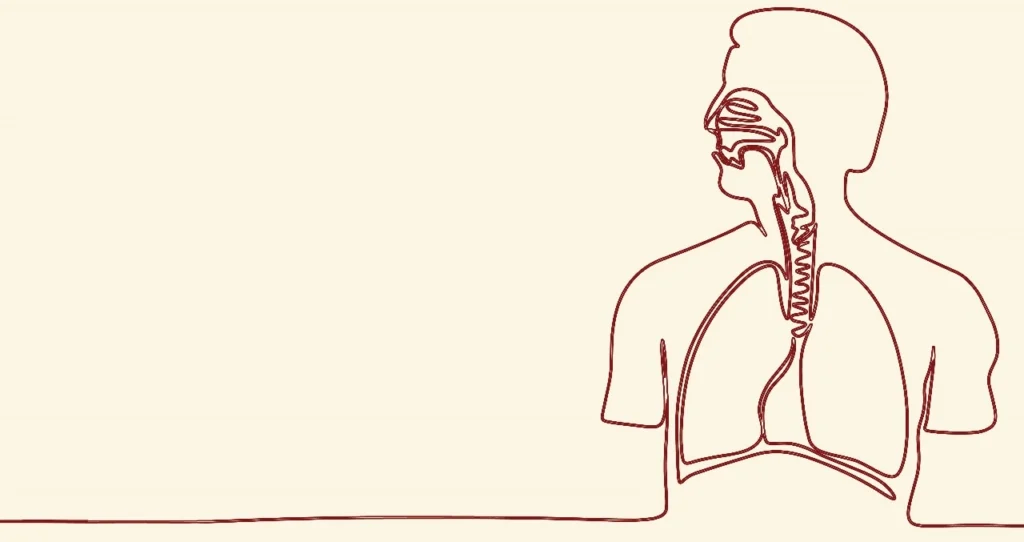
Looking for a pulmonologist in Hyderabad?
If you are experiencing a persistent cough, wheezing, chest-related breathing symptoms or repeated respiratory problems, explore Jade Clinics’ Pulmonology services. Contact Jade Clinics for appointment details and an appropriate assessment.
Frequently asked questions
When should I see a pulmonologist because of a cough?
When coughing persists or keeps returning, disrupts sleep or daily life, or occurs with breathlessness, wheezing, chest discomfort or blood in sputum. Urgent symptoms require immediate medical care.
Is breathlessness always associated with a lung condition?
No. Heart, blood and other health conditions can also cause breathlessness, so assessment should consider the whole clinical picture.
What does a pulmonologist treat?
Pulmonologists evaluate and treat conditions involving the lungs and airways, including asthma, COPD, certain respiratory infections and sleep-related respiratory conditions.
Should I visit for wheezing?
Wheezing that is recurrent, worsening or unexplained should be medically assessed, particularly if it affects sleep or exercise.
How do I choose a pulmonologist in Hyderabad?
Look for appropriate qualifications, clinical experience, access to diagnostic testing and a clear plan for follow-up care.
This article offers general information, not personalised diagnosis or emergency advice.
Read More : See a Pediatrician