
When a child feels unwell, parents often wonder whether it is safe to monitor symptoms at home or time to call a doctor. Common childhood illnesses may involve fever, coughs, colds and stomach upset, but some symptoms are serious, unusual, persistent or rapidly worsening.
Knowing when to see a pediatrician helps you respond appropriately. The child’s age, usual behaviour, symptoms and how quickly they change can all affect the level of care needed.
1. Fever that is high, persistent or unusual
Fever is common in childhood and often accompanies an infection. The decision to seek care depends on a child’s age, temperature, how long the fever lasts and how the child looks and behaves.
Contact a pediatrician if fever persists or recurs, or is accompanied by poor fluid intake, marked weakness, rash, breathing difficulty or other concerning symptoms.
Important: A baby younger than three months with a temperature of 38°C (100.4°F) or higher needs prompt medical evaluation. A seizure, severe lethargy or breathing difficulty requires emergency care.
2. Difficulty breathing
Breathing problems should never be ignored. Warning signs include:
- Unusually rapid or laboured breathing
- Chest retractions or extra effort with each breath
- Unusual noises while breathing
- Difficulty feeding, speaking or crying because of breathlessness
- Blue or grey lips or skin
Severe breathing difficulty is a medical emergency. Do not wait for a routine appointment.
3. Persistent or worsening cough
Cough often occurs with a cold or viral illness. A pediatrician may need to evaluate a cough that lasts longer than expected, repeatedly interrupts sleep, progressively worsens or is associated with wheezing, persistent fever, difficulty breathing or blood.
Potential causes range from viral infection to asthma, allergies and other respiratory conditions.
4. Repeated vomiting or diarrhoea
Persistent vomiting or diarrhoea can lead to dehydration, especially in infants and young children. Watch for:
- Much less urine or fewer wet nappies
- Dry mouth or lack of tears when crying
- Unusual sleepiness or weakness
- Sunken eyes
- Being unable to keep fluids down
Seek prompt advice if vomiting or diarrhoea continues or signs of dehydration appear. Severe dehydration requires urgent treatment.
5. Severe or ongoing abdominal pain
Stomach discomfort may accompany constipation, indigestion or infection, but sudden, severe or persistent pain warrants evaluation, especially with:
- Repeated vomiting
- Fever
- Blood in stool or vomit
- A swollen or very painful abdomen
- Marked weakness or difficulty moving due to pain
Do not automatically assume recurring severe pain is only gas or a mild stomach infection.
6. Not eating or drinking normally
A child may eat less during an illness, but reduced drinking is more concerning. Seek advice if your child refuses fluids, vomits everything they drink, urinates much less than usual or appears weak or unusually sleepy.
Infants and young children may become dehydrated faster, so changes in feeding and urine output need attention.
7. Excessive sleepiness or behaviour changes
Parents usually recognise their child’s normal activity and responsiveness. A child who is very difficult to wake, confused, unresponsive or behaving very differently needs immediate assessment. A substantial change in alertness should not be left to resolve without evaluation.
8. Rash with fever or other symptoms
Many rashes in children are mild, but a rash with fever, breathing problems, swelling, marked weakness or worsening illness needs prompt evaluation. A rash that does not fade when pressed, especially in an unwell child, requires emergency assessment.
Avoid relying on internet images alone to identify a potentially serious rash.
9. Ear pain or discharge
Ear infections are common in childhood. Younger children may pull at their ears, become unusually irritable, sleep poorly or develop fever rather than describing ear pain. Reduced hearing or discharge from the ear should also prompt consultation.
10. Recurring symptoms
Repeated episodes of fever, cough, wheezing, abdominal complaints, headaches, rashes, poor appetite or unusual fatigue may deserve a pediatric consultation even when no single episode appears severe.
Keeping a simple record of when symptoms occur and how long they last can help the doctor look for patterns.
When should you visit a pediatrician versus seek emergency care?
Mild illnesses may sometimes be managed with a clinician’s advice on fluids, rest and symptom monitoring. However, seek urgent or emergency medical attention if a child has:
- Severe trouble breathing or blue or grey lips
- A seizure
- Loss of consciousness or difficulty waking
- Severe dehydration
- Heavy bleeding
- Signs of a serious allergic reaction, such as breathing difficulty or swelling of the tongue
- Rapidly worsening condition
If you are not sure about the seriousness of symptoms, contact a healthcare professional for guidance.
What happens during a pediatric consultation?
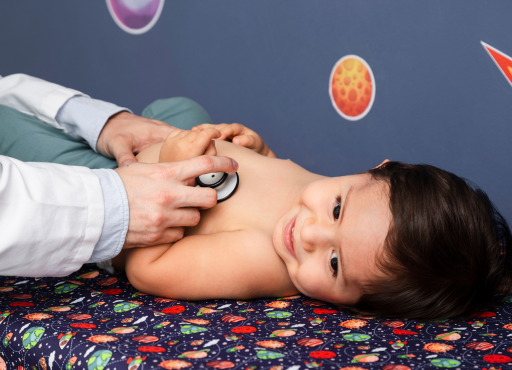
A pediatrician considers the child’s age, medical history, vaccinations, symptom duration, feeding, fluid intake, sleep, growth and development. The doctor performs an examination and may recommend observation, tests, medication or referral according to the findings.
The aim is to understand why the child feels unwell and choose safe, appropriate care.
Why regular children’s healthcare matters
Pediatric care is not only for illness. Regular appointments help monitor growth and development, nutrition, immunisations and age-related health concerns. They also give parents a chance to discuss behaviours or recurring symptoms that may not be urgent.

Looking for a pediatrician in Hyderabad?
For childhood fever, cough, feeding issues or other symptoms that concern you, Jade Clinics’ Paediatrics services can provide information about an appropriate consultation. Contact Jade Clinics for appointment details.
Frequently asked questions
When should a child with fever see a pediatrician?
The decision depends on age and symptoms. Persistent or worsening fever, dehydration, breathing problems or unusual behaviour needs assessment. An infant younger than three months with a temperature of 38°C or higher needs prompt medical evaluation.
When is a child’s cough concerning?
When it worsens, lasts longer than expected or occurs with breathing difficulty, wheezing, persistent fever or blood.
When is vomiting dangerous?
Repeated vomiting with inability to drink, reduced urination or unusual drowsiness can indicate dehydration or another serious problem and warrants prompt evaluation.
Does every minor illness need a pediatric visit?
Not necessarily. A doctor can advise when home monitoring is reasonable and which warning signs should prompt further care.
What conditions do pediatricians treat?
Pediatricians support the health of infants, children and adolescents, including illnesses, infections, growth, development, nutrition and prevention.
This information is educational and cannot replace an individual assessment, particularly when a child may be seriously ill.
Read More : Urinary Tract Infection vs Kidney Infection