
Kidney Stones: Symptoms, Causes, and Treatment Options
Recognising the Signs Early and Choosing the Right Path to Recovery
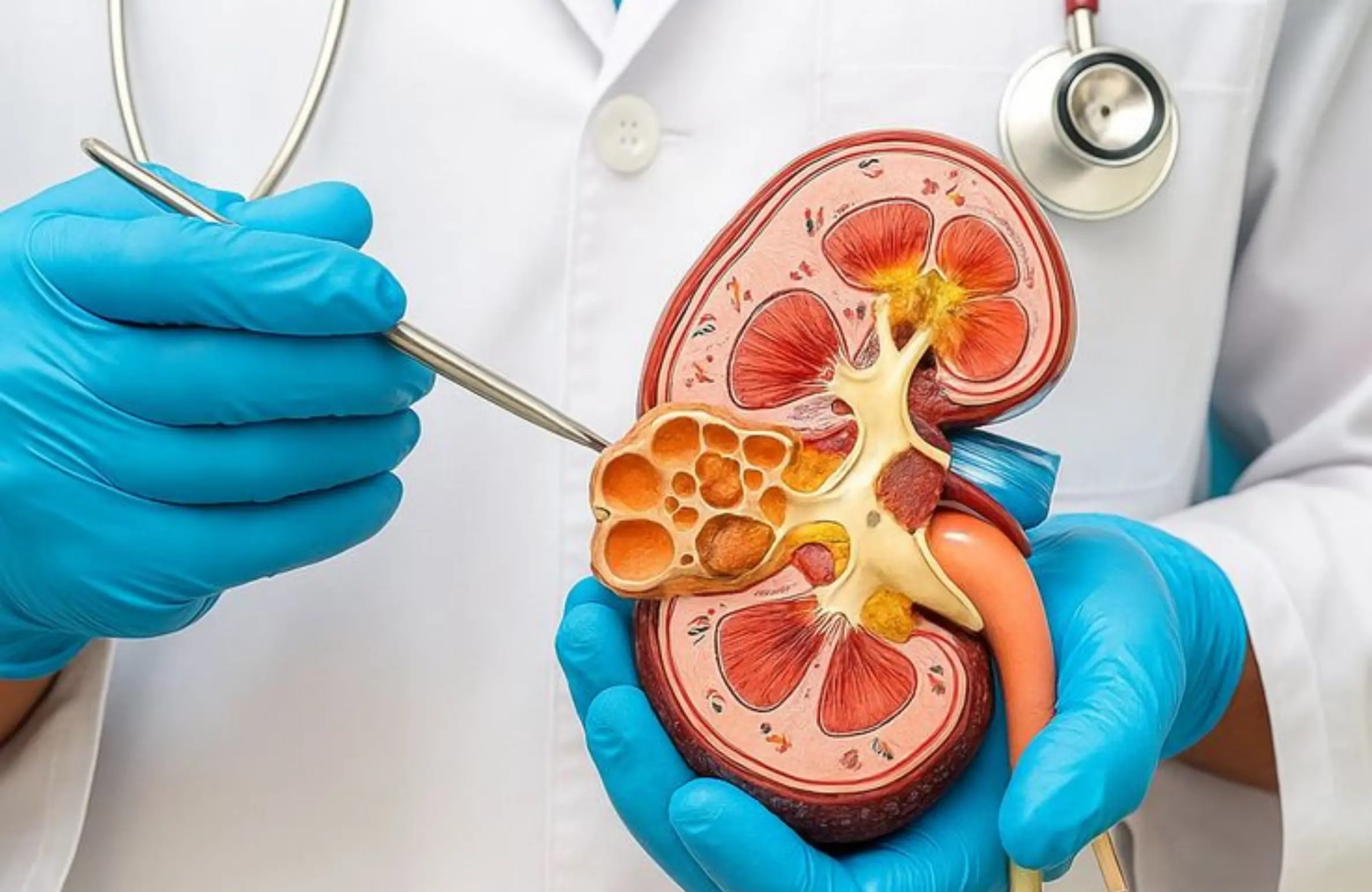
What Are Kidney Stones and Why Do They Form?
Kidney stones are hard deposits made of minerals and salts that develop inside the kidneys when urine becomes highly concentrated over time.
While smaller stones may pass without causing noticeable symptoms, larger stones can block the urinary tract and lead to severe pain and complications. Understanding kidney stones symptoms early can help prevent this sudden escalation.
Kidney Stones Symptoms You Shouldn't Ignore
The symptoms can vary depending on the size and movement of the stone, but certain signs are commonly reported.
Common Kidney Stone Pain Symptoms Include:
- Sharp pain in the lower back or side that comes in waves
- Pain spreading to the lower abdomen or groin
- Burning sensation while urinating
- Blood in urine (pink, red, or brown)
- Nausea or vomiting accompanying the pain
- Frequent or urgent need to urinate
These signs of kidney stones in men and women are often mistaken for other conditions, which can delay proper diagnosis.
How Long Does Kidney Stone Pain Last?
One of the most challenging aspects of kidney stones is that the pain is unpredictable and can vary in intensity.
How long kidney stone pain lasts depends on factors such as the size of the stone, its location, and whether it is moving through the urinary tract.
Pain episodes can last anywhere from a few minutes to several hours and may recur until the stone passes or is treated.
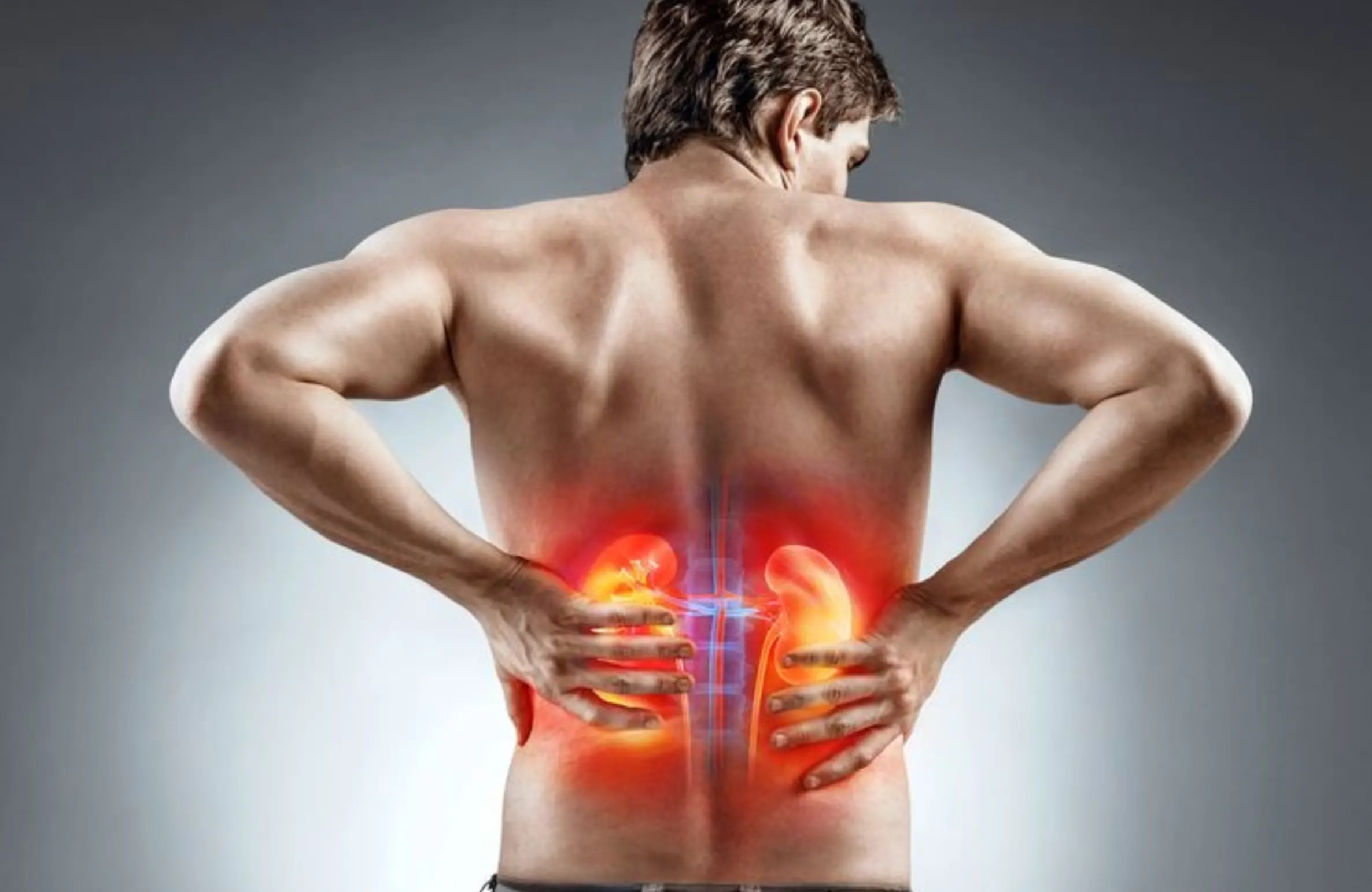
Consulting a specialist at the right time can significantly simplify treatment and speed up recovery
Causes of Kidney Stones in India
There are several causes of kidney stones in India, many of which are closely linked to lifestyle, diet, and environmental factors.
1. Inadequate Water Intake
Not drinking enough water throughout the day leads to highly concentrated urine. When urine becomes too concentrated, minerals and salts crystallise and accumulate, forming stones over time.
2. High Consumption of Salt and Processed Foods
Excess sodium in the diet increases calcium levels in the urine, raising the risk of calcium-based kidney stones — one of the most common types seen in India.
3. Diets Rich in Oxalates
Foods such as spinach, tea, and certain nuts are high in oxalates. When consumed in excess, oxalates bind with calcium in the urine and can contribute to stone formation.
4. Excessive Intake of Animal Protein
A diet heavy in animal protein increases the levels of uric acid and calcium in the urine while reducing citrate — a natural inhibitor of stone formation — making the urinary environment more conducive to stone development.
5. Family History of Kidney Stones
Genetics play a meaningful role. If a close family member has had kidney stones, your personal risk is notably higher and warrants proactive monitoring and dietary awareness.
6. Metabolic Conditions
Certain metabolic conditions affect how the body processes minerals such as calcium, uric acid, and oxalate, leading to their accumulation in the kidneys and increasing the likelihood of stone formation.
Hot weather and dehydration further increase the risk, making prevention especially important for those living in warmer climates across India.
Kidney Stone Size and Treatment Options
Treatment is largely determined by kidney stone size and treatment options, as not all stones require the same approach.
Small Stones
Usually < 5 mmThese can often pass naturally with proper hydration and medications to manage pain and assist movement.
Medium Stones
5 – 10 mmThese may require medical support, including medication or non-invasive procedures to help break or remove the stone.
Large Stones
> 10 mmLarger stones typically require intervention, as they are unlikely to pass on their own and may lead to blockage or complications.
Modern minimally invasive treatments offer faster recovery and better outcomes for kidney stone patients
How to Remove Kidney Stones
If you're exploring how to remove kidney stones, the treatment plan will depend on the severity of your condition.
Common Treatment Options Include:
- Medications to relieve pain and support stone passage
- Laser treatment for kidney stones in Hyderabad, which breaks stones into smaller fragments for easier removal
- Shock wave therapy (ESWL), a non-invasive method to fragment stones
- Endoscopic or surgical procedures for larger or complex stones
Consulting the best urologist for kidney stones in Hyderabad ensures that the most appropriate and effective treatment is chosen based on your specific condition.
Home Remedies for Kidney Stones in India (Supportive Care)
Certain home remedies for kidney stones in India can support recovery and help reduce the risk of recurrence when used alongside medical treatment.
Supportive Measures Include:
- Maintaining adequate hydration throughout the day
- Consuming fluids like coconut water or lemon water
- Reducing salt and processed food intake
However, these measures should complement — not replace — professional medical care.
Foods to Avoid Kidney Stones
Diet plays a crucial role in both prevention and long-term management.
Foods to Avoid for Kidney Stones Include:
- Excess salt and packaged foods — increase calcium in the urine and raise stone risk
- High-oxalate foods in excess (such as spinach and beetroot) — bind with calcium to form stones
- Sugary drinks and carbonated beverages — contribute to dehydration and altered urine chemistry
- High intake of animal protein — raises uric acid levels and reduces natural stone inhibitors
Making mindful dietary adjustments can significantly lower recurrence risk.
Kidney Stone Treatment in Hyderabad: What to Expect
If you are considering kidney stone treatment in Hyderabad, modern healthcare offers advanced and minimally invasive solutions that ensure faster recovery and better outcomes.
The kidney stone surgery cost in Hyderabad may vary depending on the size of the stone, the complexity of the case, and the treatment method chosen.
Early diagnosis often helps avoid more invasive and costly procedures.
Why Early Attention Can Make Treatment Simpler
Kidney stones are not just about pain — they can lead to infections, obstruction, and long-term kidney issues if left untreated.
What begins as a small, manageable condition can gradually become more complex when ignored.
Addressing the issue early not only reduces discomfort but also allows for simpler, less invasive treatment options.