
High Blood Pressure: Causes, Symptoms, and Treatment
Understanding the Silent Condition and How to Stay Ahead of It
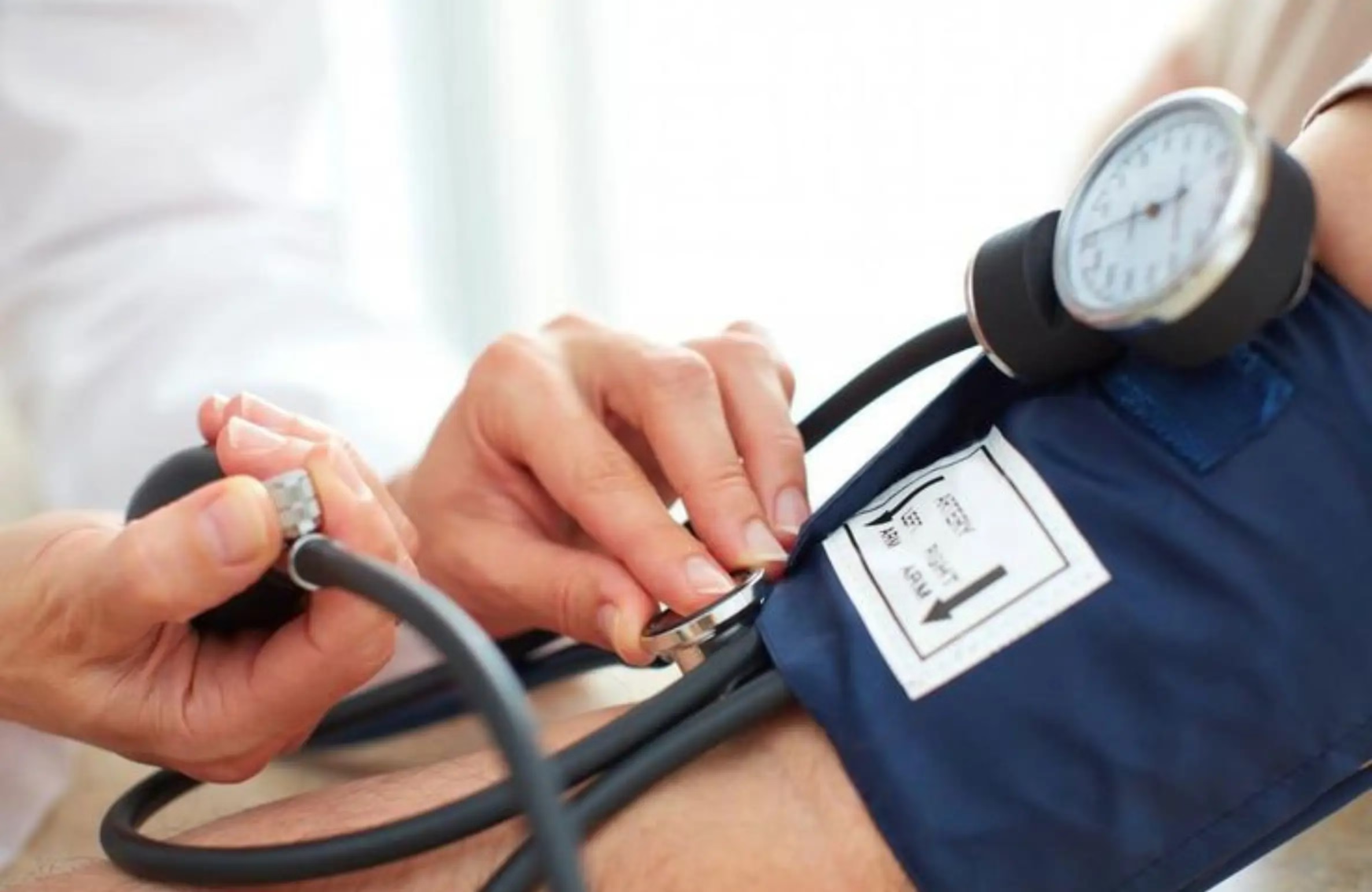
What Is High Blood Pressure and Why Does It Matter?
High blood pressure, or hypertension, occurs when the force of blood against the walls of your arteries remains consistently higher than normal.
Over time, this increased pressure can strain your heart, damage blood vessels, and raise the risk of serious health complications. Understanding high blood pressure symptoms and recognising early warning signs can make a significant difference in long-term health outcomes.
BP Normal Range in India: What Should You Know?
Before identifying what's high, it's important to understand what's considered normal.
| Category | Systolic (mmHg) | Diastolic (mmHg) | Status |
|---|---|---|---|
| Normal | Around 120 | Around 80 | Normal |
| Elevated | 120–129 | < 80 | Monitor Closely |
| High BP (Hypertension) | 130 or higher | 80 or higher | Requires Attention |
Even slightly elevated levels, when persistent, may require attention and lifestyle changes.
High Blood Pressure Symptoms You Shouldn't Ignore
One of the most concerning aspects of hypertension is that symptoms are often subtle or completely absent. However, in some cases, there are silent symptoms of hypertension that may appear gradually.
Signs of High BP in Adults Include:
- Frequent headaches, especially in the morning
- Dizziness or lightheadedness
- Shortness of breath during routine activities
- Blurred vision or eye strain
- Chest discomfort or palpitations
These hypertension symptoms in young adults are often overlooked or attributed to stress or fatigue, delaying diagnosis.
Why Hypertension Often Goes Unnoticed
Many people assume that a serious condition will always present clear symptoms. But hypertension works differently.
It develops slowly, often without causing noticeable discomfort, which is why regular monitoring becomes essential — especially for those with risk factors like stress, sedentary lifestyle, or family history.
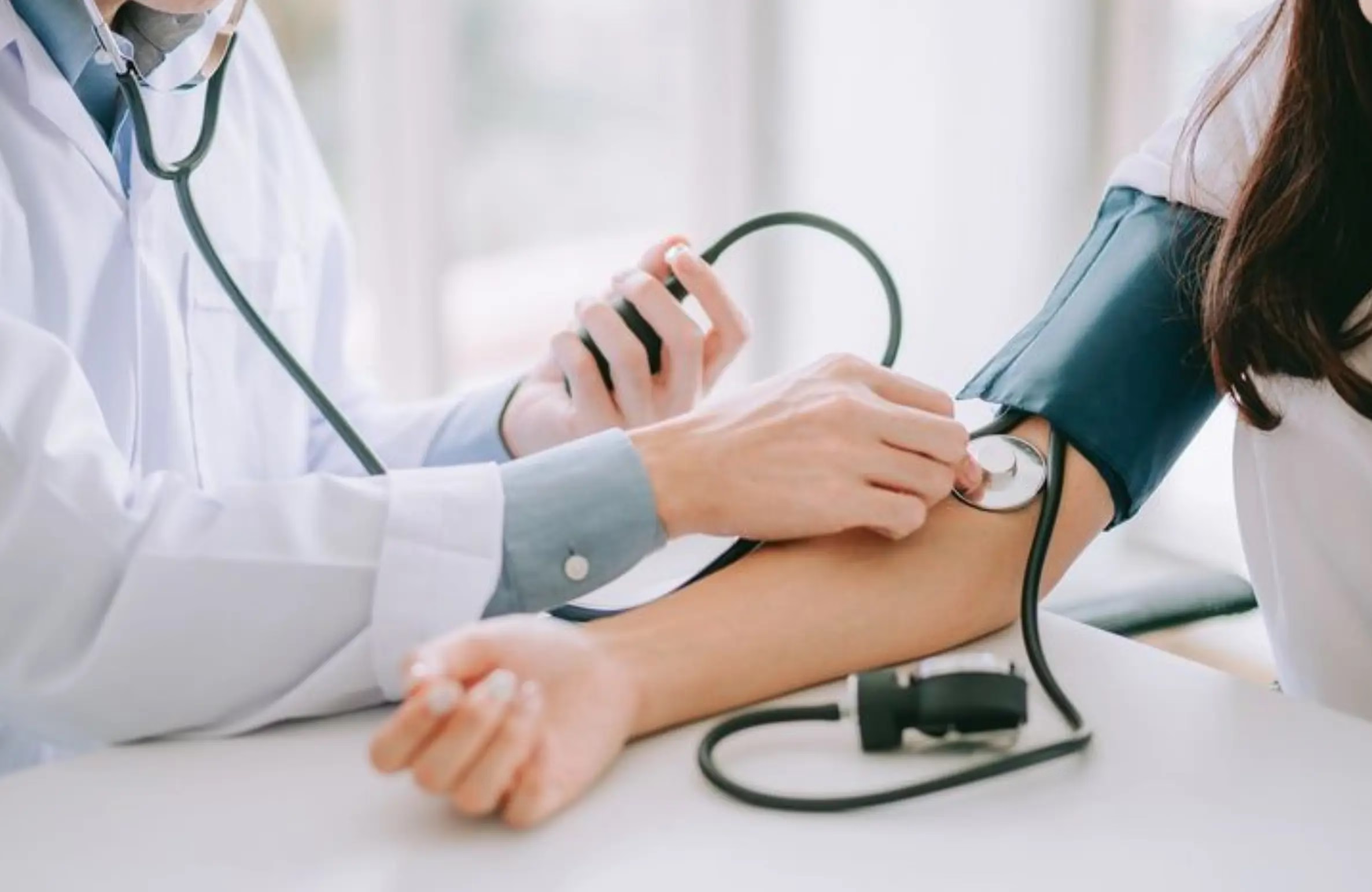
Regular blood pressure monitoring is a simple yet powerful step toward protecting your long-term cardiovascular health
Hypertension Causes and Treatment
There isn't always a single cause behind high blood pressure. Instead, it is often the result of multiple contributing factors.
1. High Salt Intake and Processed Foods
Diets high in sodium cause the body to retain water, increasing the volume of blood and, consequently, the pressure it exerts on artery walls. Processed and packaged foods are often significant hidden sources of excess salt.
2. Lack of Physical Activity
A sedentary lifestyle contributes to weight gain and weakens the heart muscle, making the heart work harder to pump blood — both of which directly elevate blood pressure over time.
3. Chronic Stress and Poor Sleep Patterns
Ongoing stress triggers hormonal changes that temporarily raise blood pressure. When stress becomes chronic and is combined with inadequate sleep, these spikes can gradually lead to sustained hypertension.
4. Obesity or Weight Gain
Excess body weight requires the heart to circulate blood through a greater volume of tissue, increasing pressure on arterial walls. Even moderate weight loss can lead to meaningful reductions in blood pressure.
5. Smoking and Excessive Alcohol Consumption
Nicotine in tobacco causes blood vessels to narrow and hardens artery walls over time. Excessive alcohol intake similarly raises blood pressure and can interfere with the effectiveness of blood pressure medications.
6. Genetic Predisposition
A family history of hypertension significantly increases your personal risk. If close relatives have been diagnosed with high blood pressure, proactive monitoring and earlier lifestyle interventions are especially important.
Understanding these triggers is the first step toward effective hypertension causes and treatment planning.
Complications of High Blood Pressure
When left unmanaged, hypertension can affect multiple organs over time. These complications often develop gradually, making early detection even more critical.
Complications of High Blood Pressure Include:
- Heart disease and heart attack — sustained high pressure strains the heart muscle and increases the risk of coronary artery disease
- Stroke — damaged or narrowed blood vessels can rupture or become blocked, cutting off blood supply to the brain
- Kidney damage — high pressure damages the delicate blood vessels within the kidneys, reducing their ability to filter waste
- Vision problems — retinal damage caused by hypertension can impair vision and, in severe cases, lead to vision loss
- Long-term cardiovascular impact — overall cardiovascular health declines progressively when blood pressure remains uncontrolled
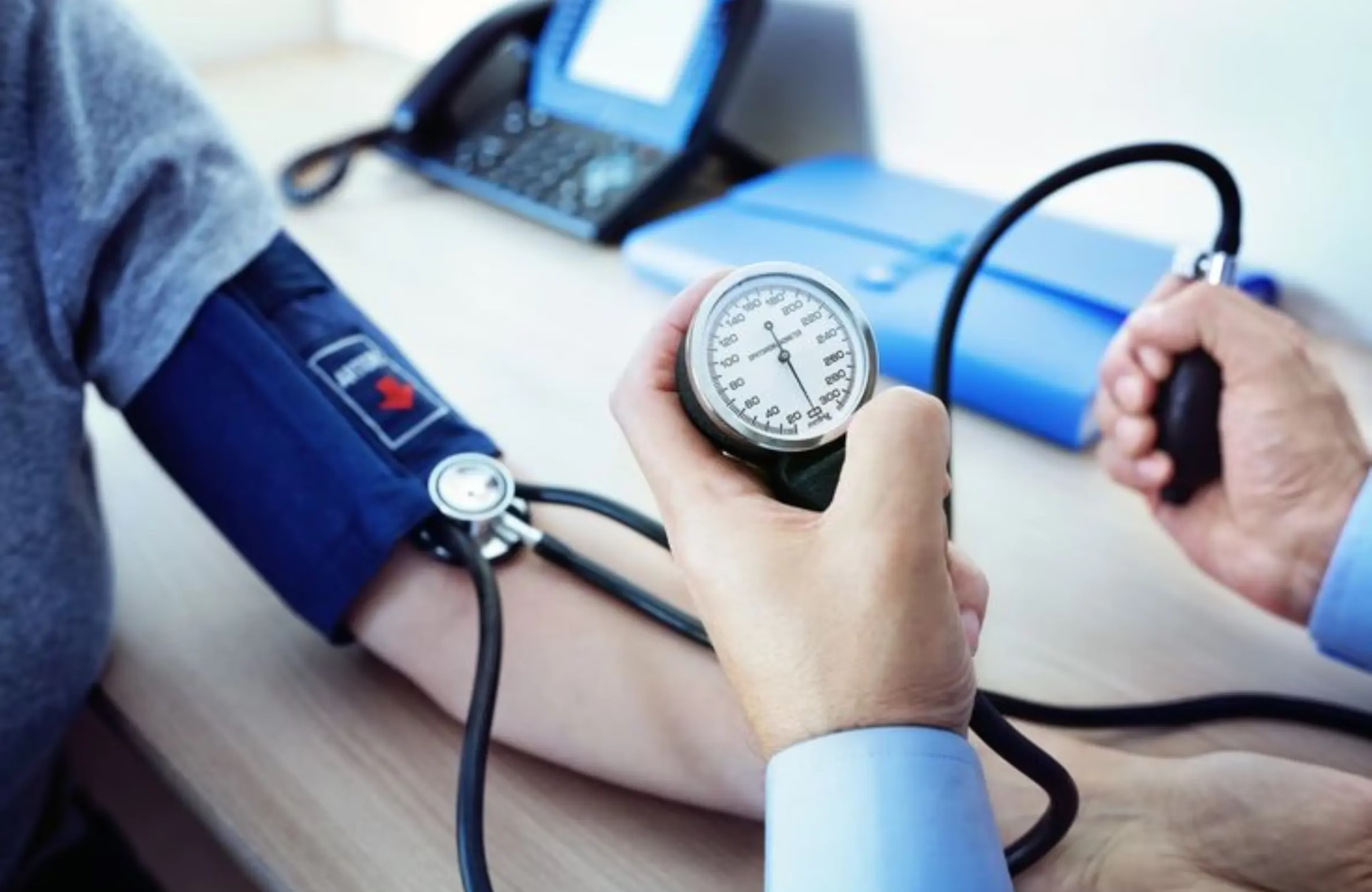
A combination of healthy lifestyle choices and medical guidance forms the most effective foundation for managing blood pressure
How to Control High BP Naturally
For many individuals, early-stage hypertension can be managed effectively with consistent lifestyle changes.
Lifestyle Changes for Hypertension Include:
- Reducing salt intake and avoiding processed foods
- Engaging in regular physical activity
- Managing stress through relaxation techniques or mindfulness
- Maintaining a healthy weight
- Ensuring adequate sleep and hydration
Learning how to control high BP naturally can significantly reduce dependency on medication in the early stages. Small, consistent changes in daily habits can lead to meaningful and lasting improvements.
Medical Treatment: When Lifestyle Changes Aren't Enough
In some cases, lifestyle changes alone may not be sufficient, and medical intervention becomes necessary.
Blood Pressure Treatment in Hyderabad May Include:
- Prescription-based BP medication in India tailored to individual needs
- Regular monitoring and follow-ups to track progress
- Personalised treatment plans based on overall health and risk factors
Consulting the best doctor for BP in Hyderabad ensures accurate diagnosis and long-term management that is suited to your specific health profile.
When to See a Doctor for High BP
One of the most important questions people ask is when to see a doctor for high BP, especially when symptoms are unclear.
You should consider medical consultation if:
- Your BP readings are consistently above normal
- You experience recurring symptoms like headaches or dizziness
- There is a family history of hypertension
- You have underlying conditions like diabetes or kidney issues
- You are experiencing chest discomfort, palpitations, or shortness of breath
- Lifestyle changes have not produced measurable improvements
Early consultation can prevent complications and make treatment more effective.
Why Early Awareness Changes Everything
High blood pressure is not just about numbers on a monitor — it is about how consistently those numbers affect your body over time.
What makes it challenging is not its severity, but its silence. By the time noticeable symptoms appear, the condition may have already progressed.
Paying attention to subtle signs, making informed lifestyle choices, and seeking timely medical advice can help you stay ahead of the condition rather than reacting to it later.