
If you are experiencing hip-related pain, it's essential to understand the surgical options available to you.
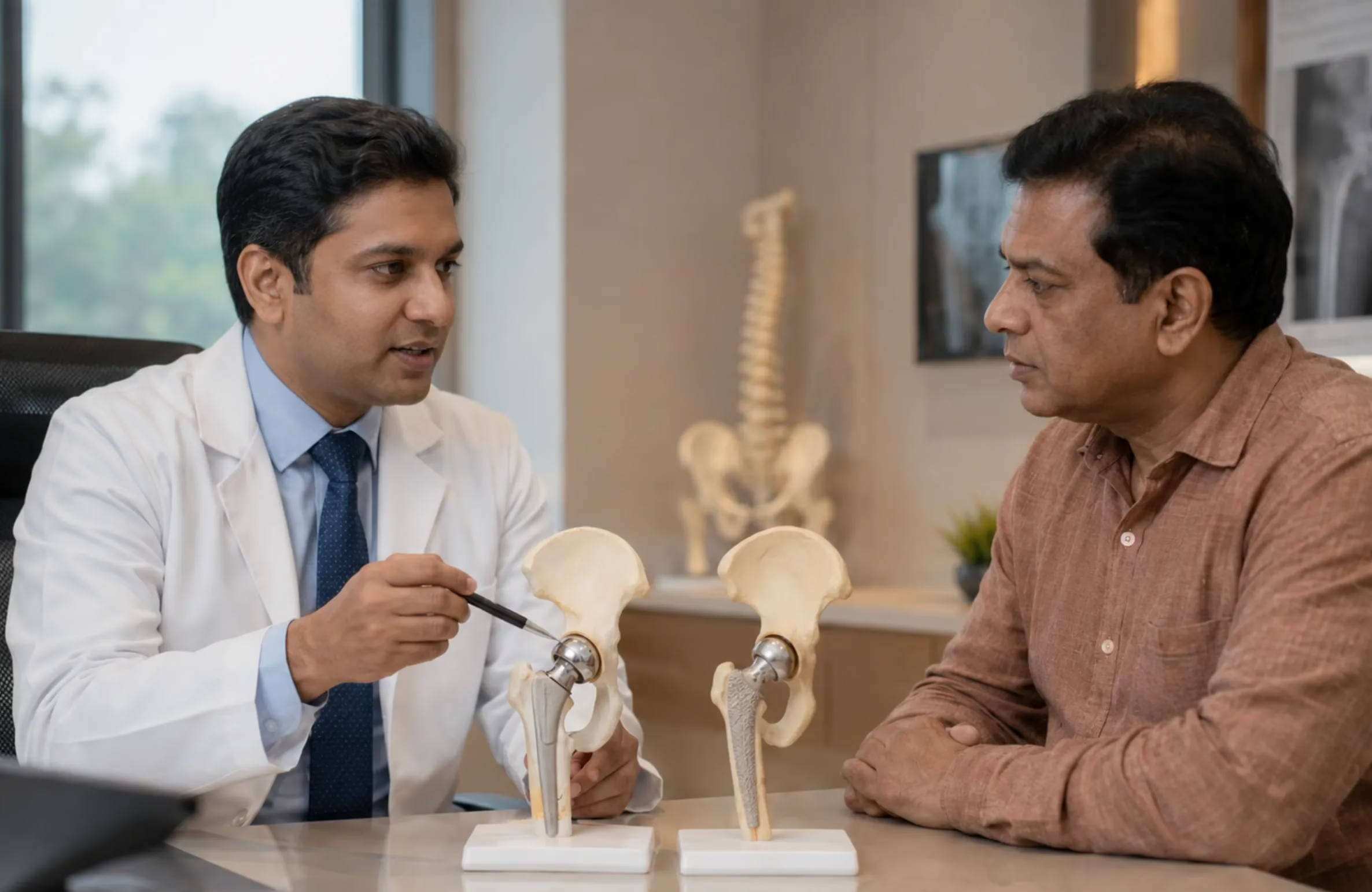
If you are experiencing hip-related pain when walking, sleeping, climbing stairs or getting up from a chair, you may have to consider hip replacement surgery in the near future.
But you may wonder: “Should I have a cemented or uncemented hip replacement?”
These terms are ones that your orthopaedic doctor is likely to mention during your treatment process. Additionally, people come up with various opinions regarding both treatment methods. However, it is worth mentioning that cemented vs uncemented hip replacement is not a concept that can be explained easily.
Let's simplify without any medical jargon.
In a healthy hip, you have a ball-and-socket arrangement. The rounded head of the femur fits into the acetabulum and helps with hip movement.
The conditions such as osteoarthritis, rheumatoid arthritis, avascular necrosis, fractures and significant joint destruction can lead to the wear and tear of the joint.
When pain becomes unbearable and traditional treatments fail to help relieve the symptoms, hip replacement can be performed.
In a total hip replacement, the damaged components of the diseased joint are replaced with artificial parts, like:
One of the important aspects is how the implant is attached to the bone. That is when cemented versus uncemented hip replacement come into play.
Cemented hip replacement refers to the process of using a specialized type of bone glue. The bone cement is used to attach the implants firmly to the existing bone.
The cement acts as a bonding agent that keeps the implant fixed immediately. Cemented anchoring of the implant has a long history of success and has been applied in certain cases such as some older individuals or patients suffering from reduced bone quality.
However, the option cannot be considered only based on age.
Uncemented hip replacement is characterized by the fact that bone cement is not utilized in the installation of the implant. During the procedure, the implant is shaped in a specific way allowing for the possibility of natural bone growth around it.
This technique is referred to as biological fixation, or in other words, bone ingrowth. Initially, the implant has to rely on the proper mechanical fit, but with time the surrounding bone will eventually overcome the implant being installed.
Uncemented hip replacement is generally regarded as a good option for patients who have sufficient bone quality and is especially beneficial for young or highly active individuals.
However, it is important to note that there is no option that is perfect for every case.
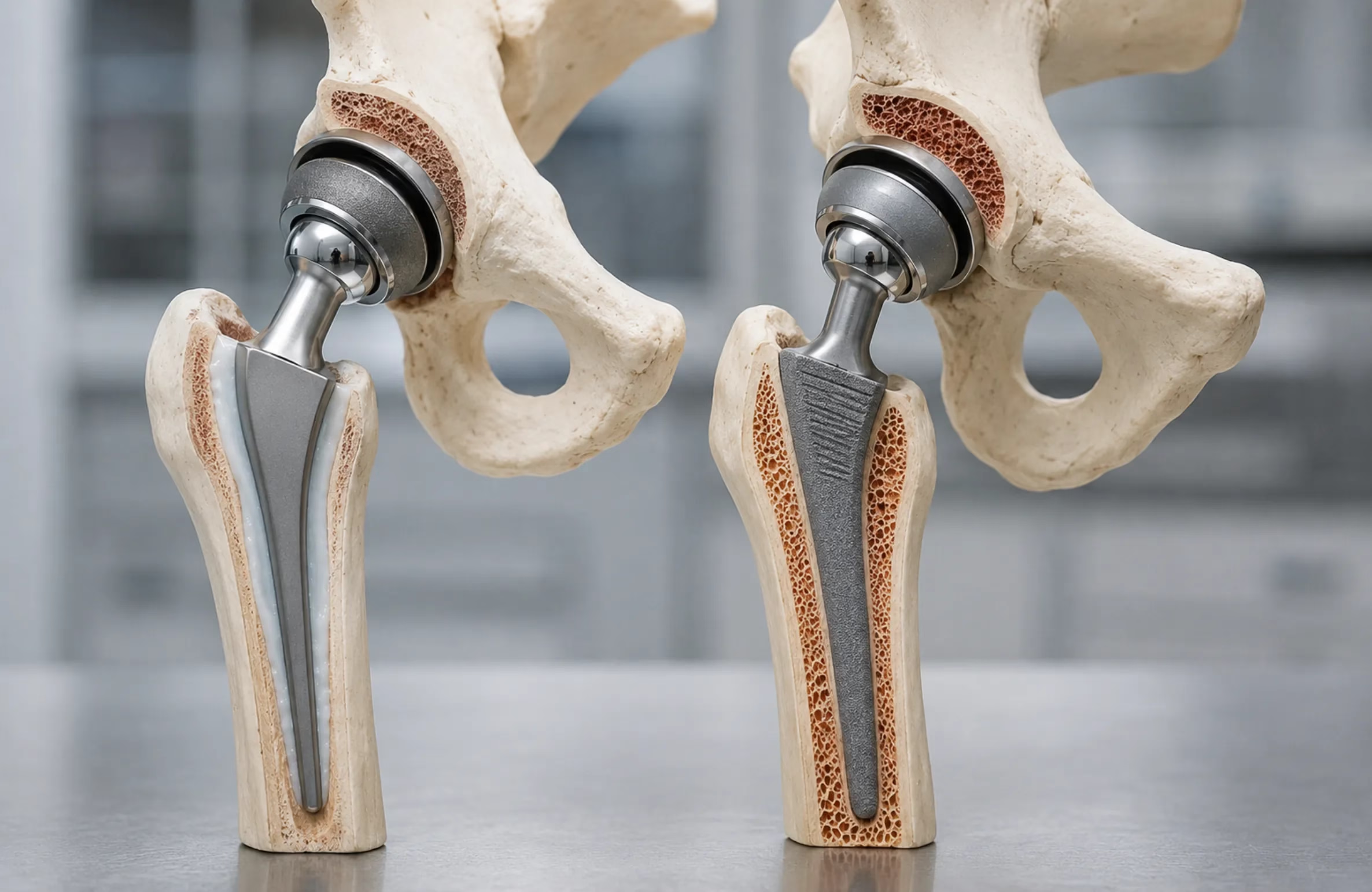
Bone cement and biological fixation (bone ingrowth) represent the two primary approaches in hip replacement procedures.
Both methods can achieve good results when the appropriate procedure is chosen.
Uncemented implants allow the patient's bone to grow into the implant. Some advantages are:
Still, individual risks and situations must be considered.
This could be the most commonly asked question by patients. Not at all.
There is no one solution suitable for every case of hip replacement. An uncemented prosthesis may work well for a patient whose bones are strong, while cemented fixation may be better for another patient.
The orthopedic surgeon will take into consideration:
There is no doubt that personalized assessment is more beneficial than relying on somebody else’s experience.
Patients are concerned as to how the method of fixation will actually determine the onset of recovery.
The truth is that recovery following an uncemented total hip replacement surgery can vary from patient to patient, and many factors affect recovery, such as:
Most patients will be able to start assisted mobilization after surgery, although this varies depending on factors like individual circumstances and the surgeon’s protocol.
Recovery after hip replacement will usually consist of transferring from a walking aid to walking without assistance once strength and balance improve.
Recovery is not just a one-time event. It is a series of small milestones.
The focus is on pain management, caring for the wound, safe mobility, and starting the mobility process.
You will be working on your ability to walk, perform daily tasks, balance, and build muscle.
You should be able to continue with the process of strengthening your muscles and improving your movements as a part of your rehabilitation program.
Your ultimate objective is to gain your independence and get back to living your normal life.
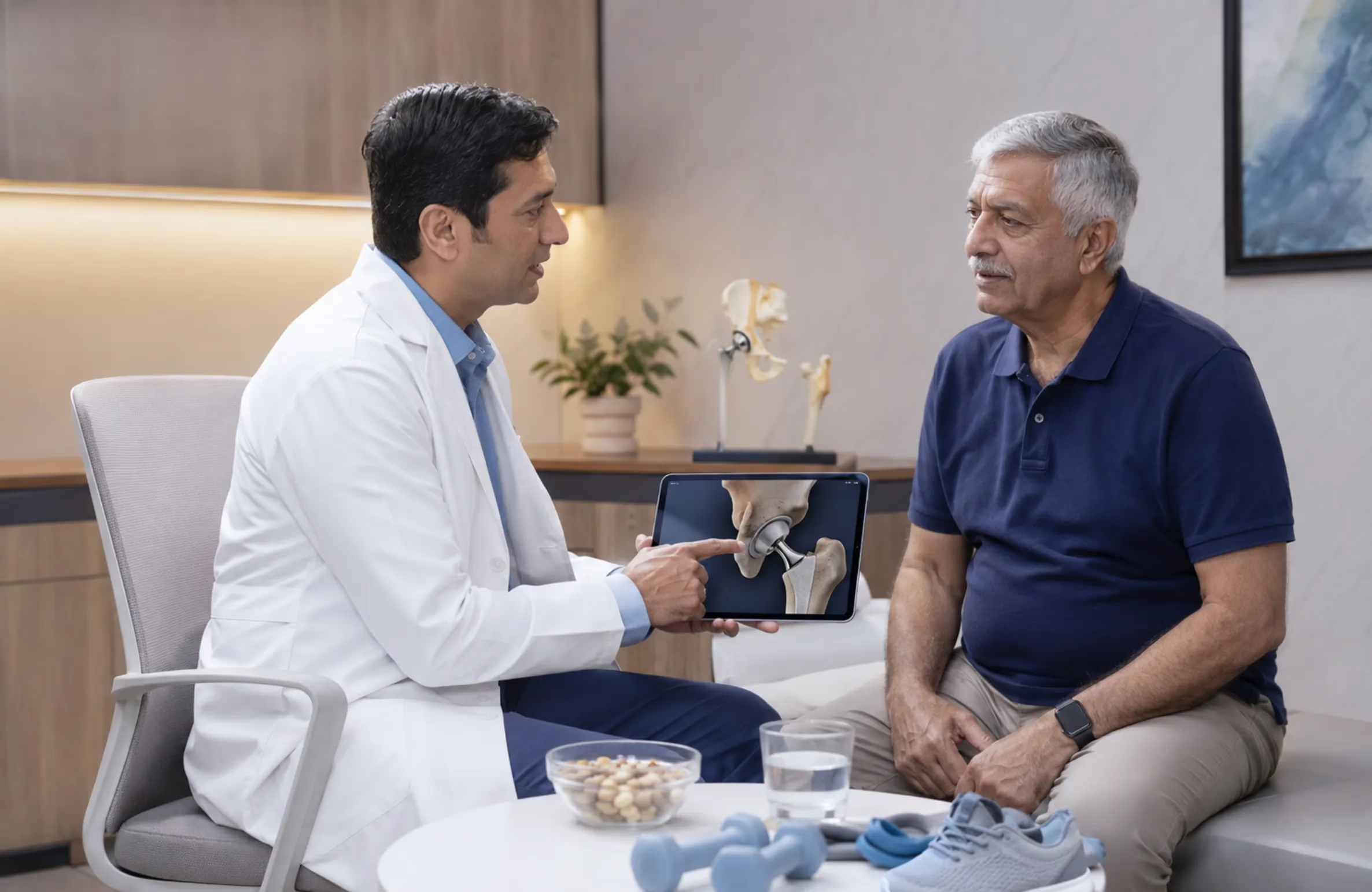
Rehabilitation and physiotherapy are crucial components in regaining strength and mobility after surgery.
Modern hip replacement prostheses provide long-term pain relief and improved mobility. However, the lifespan of the prosthesis is variable.
Factors like patient age, level of activity, type of device, surgical technique, and general health can affect the performance of the prosthesis.
Continued monitoring and regular activity can help maintain joint health over the long term.
This is why experienced orthopedic evaluation is crucial. Your surgeon does not simply review your x-ray and choose implants.
He takes a broader view of the entire situation.
The objective is to achieve solid fixation, restore your movement ability, and select a device that fits your anatomy and way of living perfectly.
At Jade Clinics, our orthopedic care philosophy is patient-centered. We thoroughly investigate your condition, bone quality, mobility objectives, and overall health before choosing the best treatment option.
If you have been searching about cemented and uncemented hip replacement, you are already on the right track but you need to consult with an orthopaedic specialist for making the right decision.
There is no one best fixation method for hip replacement. But there is an appropriate method of fixation available for each person's situation.
If you are suffering from chronic hip pain, never wait until it is difficult to perform simple tasks. Make an appointment with an orthopaedic specialist at Jade Clinics to learn more about hip replacement types and make an informed choice.