
What Is Obesity? Causes, Symptoms, and Health Risks You Should Know
Understanding obesity beyond the weighing scale and how to manage it effectively.

Today, obesity is becoming increasingly common across all age groups due to changing lifestyles, sedentary work routines, poor sleep patterns, stress, hormonal imbalance, and metabolic disorders. The good news is that obesity can be managed effectively with early intervention, proper medical guidance, and sustainable lifestyle changes.
What Is Obesity?
Obesity is a condition where excess body fat begins affecting overall health and increases the risk of medical complications. Doctors usually evaluate obesity using BMI and obesity classifications.
What Is BMI?
BMI (Body Mass Index) is calculated using height and weight to estimate body fat risk.
- Underweight: Below 18.5
- Normal weight: 18.5–24.9
- Overweight: 25–29.9
- Obesity: 30 and above
However, BMI alone does not tell the full story. Fat distribution, muscle mass, metabolic health, waist circumference, and hormonal factors also play a major role in evaluating obesity. This is why proper medical assessment is important instead of relying only on the weighing scale.
Causes of Obesity
There is no single reason behind obesity. In most people, multiple factors contribute together over time. Understanding the causes of obesity is important because treatment becomes more effective when the root cause is identified.
Common Causes of Obesity:
- 1. Sedentary Lifestyle: Long desk jobs, excessive screen time, lack of movement, and poor posture habits reduce calorie expenditure and affect metabolism. This is especially common among working professionals with busy schedules.
- 2. Poor Dietary Habits: Frequent intake of processed foods, sugary drinks, fast food, late-night meals, and excessive snacking. Irregular meal timings and emotional eating patterns also affect metabolism and fat storage.
- 3. Hormonal Imbalance: Conditions like PCOS, hypothyroidism, insulin resistance, and cortisol imbalance can make weight management extremely difficult even with dieting and exercise.
- 4. Genetic Factors: Family history often influences metabolism, appetite regulation, fat distribution, and insulin sensitivity.
- 5. Sleep Deprivation: Poor sleep quality affects hunger hormones like leptin and ghrelin, increasing cravings and appetite. Lack of sleep also slows metabolism and increases stress-related eating behavior.
- 6. Stress and Emotional Eating: Chronic stress increases cortisol levels, which can contribute to belly fat accumulation, sugar cravings, overeating, and emotional eating cycles.
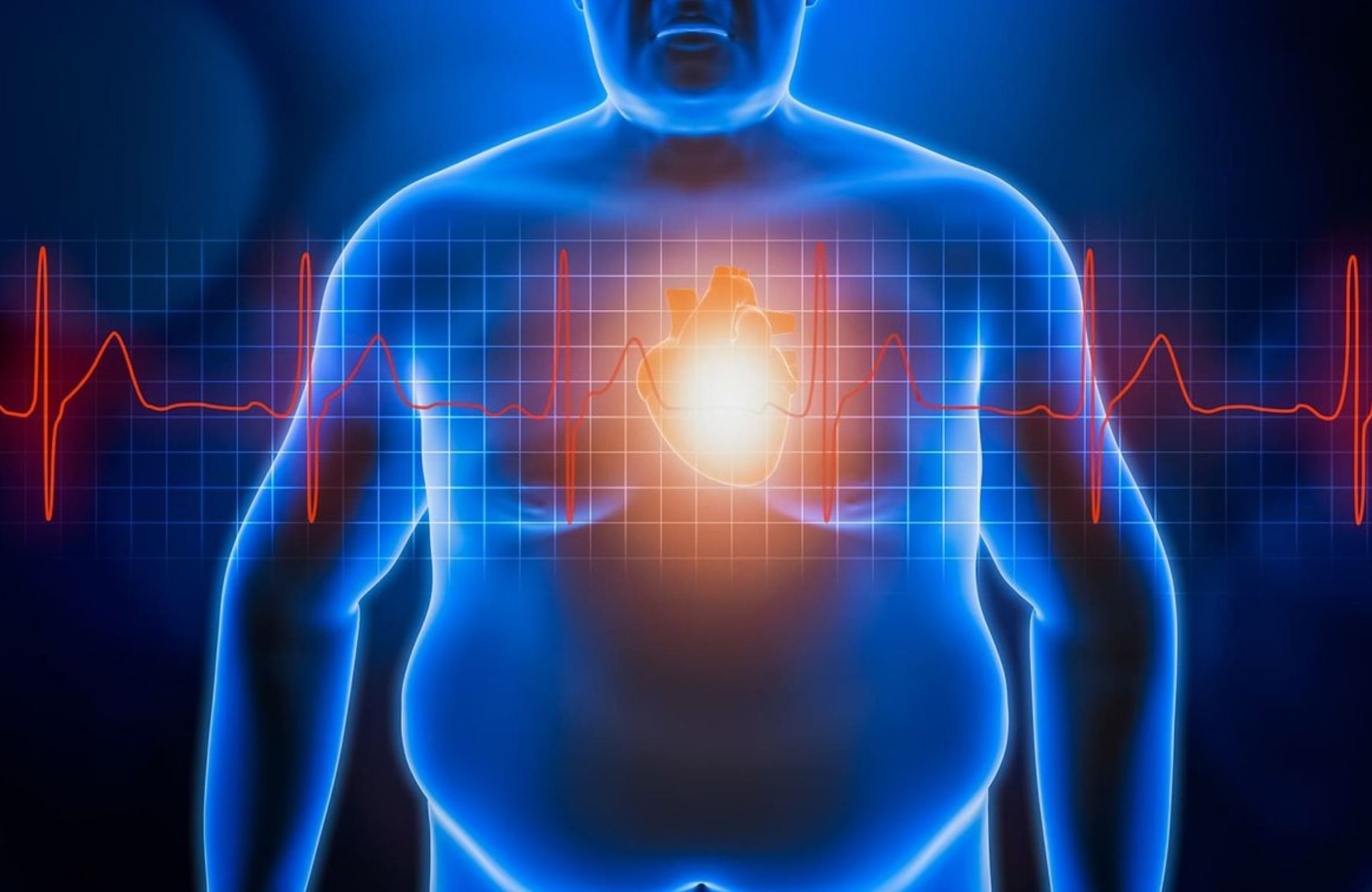
Obesity is rarely caused by one single factor; it is usually a combination of lifestyle, metabolic, and hormonal changes.
Obesity Symptoms
Many people assume obesity only means visible weight gain. But the body often shows multiple signs before obesity starts affecting overall health significantly.
Common Obesity Symptoms Include:
- Persistent weight gain
- Fatigue or low stamina
- Breathlessness with minimal activity
- Increased belly fat
- Joint pain
- Difficulty sleeping
- Snoring or sleep apnea
- Reduced mobility
- Excessive sweating
- Hormonal irregularities
- Difficulty losing weight despite efforts
These symptoms may gradually worsen if obesity is left unmanaged.
Health Risks of Obesity
One of the biggest concerns with obesity is its long-term effect on multiple organs and systems in the body. The health risks of obesity go far beyond physical appearance.
Obesity and Heart Disease
The connection between obesity and heart disease is medically significant. Excess body fat increases the risk of high blood pressure, cholesterol imbalance, artery narrowing, and reduced cardiovascular efficiency. Over time, obesity increases strain on the heart and raises the risk of heart attacks and stroke. This is why preventive obesity management is extremely important for long-term heart health.
Obesity and Diabetes Risk
There is also a strong link between obesity and diabetes risk. Excess fat, especially around the abdomen, increases insulin resistance - where the body stops responding effectively to insulin. This can eventually lead to prediabetes, type 2 diabetes, and metabolic syndrome. Many patients with obesity are unaware of underlying insulin resistance until complications begin appearing.
Medical Complications of Obesity
The medical complications of obesity can affect almost every part of the body.

Addressing obesity early can help prevent severe health complications and improve overall quality of life.
Why Obesity Should Not Be Ignored: Many individuals delay seeking help because they assume weight gain is temporary, blame age or stress, or try repeated self-dieting. But obesity often progresses gradually and silently. Early intervention is far easier and safer than managing advanced complications later.
Obesity Treatment Options
Modern obesity care is no longer about extreme dieting or unrealistic restrictions. Today, obesity treatment options focus on sustainable, medically guided management.
Comprehensive Obesity Care:
- Lifestyle Modification: Structured nutrition, physical activity planning, sleep improvement, and stress management. Sustainable changes are more effective than temporary diets.
- Medical Evaluation: Professional obesity care often includes BMI assessment, hormonal evaluation, metabolic screening, and insulin resistance assessment. Identifying the root cause improves treatment success significantly.
- Personalized Weight Management: Every body responds differently. That’s why medically supervised treatment plans are tailored based on age, lifestyle, health conditions, hormonal profile, and weight goals.
Obesity Management Hyderabad: Why Professional Care Matters
More people today are seeking professional obesity management in Hyderabad because they understand obesity is not simply about appearance.
The goal is to improve:
- Metabolic health
- Energy levels
- Heart health
- Mobility
- Hormonal balance
- Overall quality of life
Professional obesity care focuses on long-term health instead of quick-fix results.
When Should You Seek Medical Help for Obesity?
It may be time to consult a specialist if:
- Weight gain is increasing steadily
- Dieting is not helping
- Fatigue is becoming frequent
- Obesity is affecting mobility
- You have high BP, diabetes, or PCOS
- Obesity is impacting daily life or confidence
Early intervention can prevent several long-term complications.
Related Articles on Metabolic Health:
Best Obesity Doctor in Kokapet BMI Explained - Overweight or Obese