
These Are the Most Common Symptoms You Should Not Ignore.
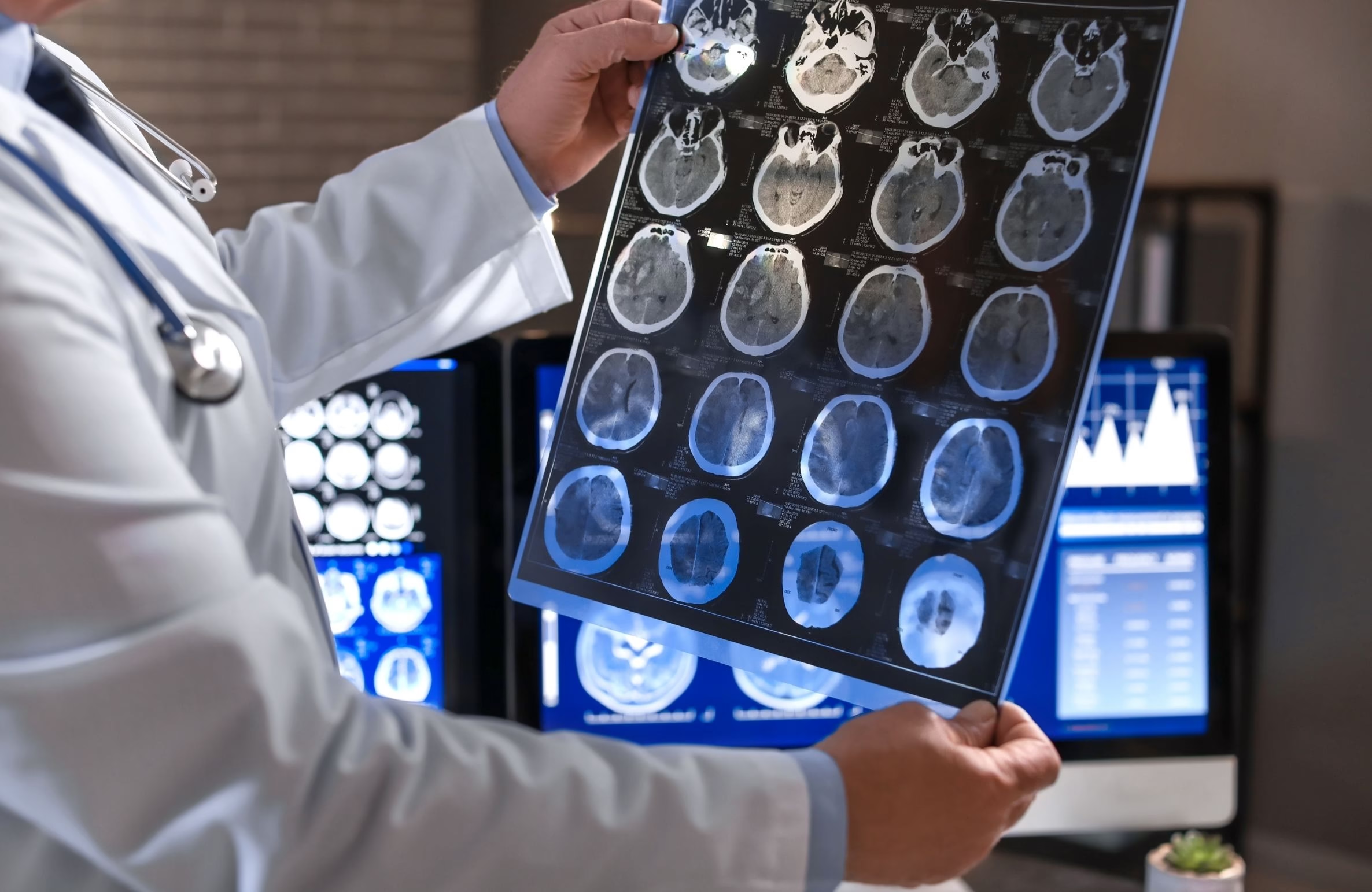
Your body knows when something is not all right.
What is hard to determine is when you can wait it out, when you should visit your family physician, and when you should consult a neurologist.
Every recurring headache is not necessarily a reason to see a neurologist. Every instance of dizziness does not mean a neurological disorder. And forgetting things now and then does not always point to a severe issue either.
However, when your symptom is new, recurring, worsening or is affecting your daily life, it requires a closer look.
At Jade Clinics, we know that good neurological care begins with listening. We offer our patients a patient-centric, personalized, and causative approach to their issues. The Neurology Department at Jade Clinics in Kokapet offers neurological consultation and treatment, with Dr. C. Sruthi Reddy as a Consultant Neurologist.
And when should you visit a neurologist?
A neurologist is a medical specialist in brain, spinal cord, nerve, and muscle diseases. This indicates that neurological care isn't exclusive to any particular kind of condition.
Some of the problems evaluated and treated by a neurologist include:
During a neurological examination, various systems can be examined for movement, sensation, sight, hearing, language, coordination, balance, and mental state. Further investigations may also be ordered depending on the complaints experienced.
However, the real question that most people ask is: “Do I actually have symptoms that require me to see one?” These are some of the symptoms that might indicate a visit to a neurologist.
Everybody suffers from headaches sometimes. Lack of sleep, dehydration, stress, malnutrition, or excessive screen exposure can result in having headaches.
When do you need to see a doctor then? You may consider seeing a doctor in case you have headaches that:
A recurrence of headaches does not necessarily indicate the presence of any serious neurological problem. Several conditions such as migraines and tension headaches can lead to recurrent headaches. But a change in pattern certainly needs to be examined.
That is an essential thing to know. A headache that comes on very suddenly and is excruciatingly painful should be evaluated immediately by a physician. This applies if a severe headache is accompanied by:
These could be signs of a medical emergency such as a stroke or bleeding inside the brain. Don't wait until a scheduled visit with your neurologist. Go to the emergency room right away.
“Why am I constantly having this sensation of numbness in my hand?”
This is not an unusual concern, and in most cases, it may not be due to any nervous system involvement. In certain situations, numbness or tingling could be the result of an odd sleeping position or compression of a nerve.
However, numbness or tingling sensations that come and go or occur frequently may occasionally be associated with nerves, spinal cord, or brain conditions.
Consider these signs:
Nervous system testing will determine whether the sensation is caused by nerve issues or something else. Also, sudden occurrence of numbness or weakness, especially involving just one side of the body, should prompt immediate action. Sudden unilateral numbness or weakness can signal a stroke.

Neurological exams help determine the root cause of numbness, tingling, and unexpected weakness.
There’s a distinction between being tired and being weak. It’s understandable to feel tired after a long day.
However, if you suddenly start struggling with:
You need to see a doctor. Muscle weakness has various causes, but sometimes the nerve system itself could be responsible. A neurologist will tell you what causes the condition and suggest possible treatment options.
There are also cases of sudden weakness. If one side of your face, arm, or leg gets weak or numb and is accompanied by speech difficulties or changes in your vision, seek immediate assistance.
Being “dizzy” can indicate all sorts of issues. You could be:
There are times that dizziness is associated with dehydration, blood pressure, medications, and problems within the ear. However, frequent and recurrent dizziness, especially that associated with balance and coordination problems, will require further assessment through neurology.
Make sure to take note especially if you are:
Neurology can evaluate balance and coordination specifically. If there is a sudden appearance of balance problems along with weakness in the face, trouble talking, and vision problems, then get medical help immediately because these are stroke symptoms.
Did you notice that your hand shakes when it did not before? Maybe you acquired an uncontrolled movement pattern. The presence of tremors does not necessarily indicate Parkinson's disease or any other serious neurological disorder.
Tremors may occur for a variety of reasons. Nevertheless, new, persistent, or deteriorating tremors should be brought to the attention of a physician, especially when they interfere with daily tasks like:
Tremors are assessed by neurologists in the course of a neurological examination. What matters is that you should not diagnose yourself. A consultation with a neurologist will help you understand the kind of movement and its possible cause.
Seizures do not necessarily occur in the form depicted in films. Some types of seizures could include the absence of awareness, staring spells, strange repetitive body movements, or strange sensations.
Other people have experienced:
Different types of seizures could present different signs depending on the nature of the seizure and the part of the brain affected. Seizures should be evaluated by a doctor. There are some conditions that demand immediate medical attention, like a seizure lasting longer than five minutes.
Losing your keys occasionally? Normal enough.
But what happens when your memory issues become more common or start to affect your daily functioning? For instance:
It does not necessarily indicate dementia or other neurologic disorders. Many medical conditions can cause changes in memory function, such as lack of adequate sleep, stress, medication, changes in mood and nutrition, just to name a few.
But any lasting or worsening changes should be evaluated. Neurologic testing will help determine whether further tests are required. Neurologic tests include mental status, memory, and behavioral testing.
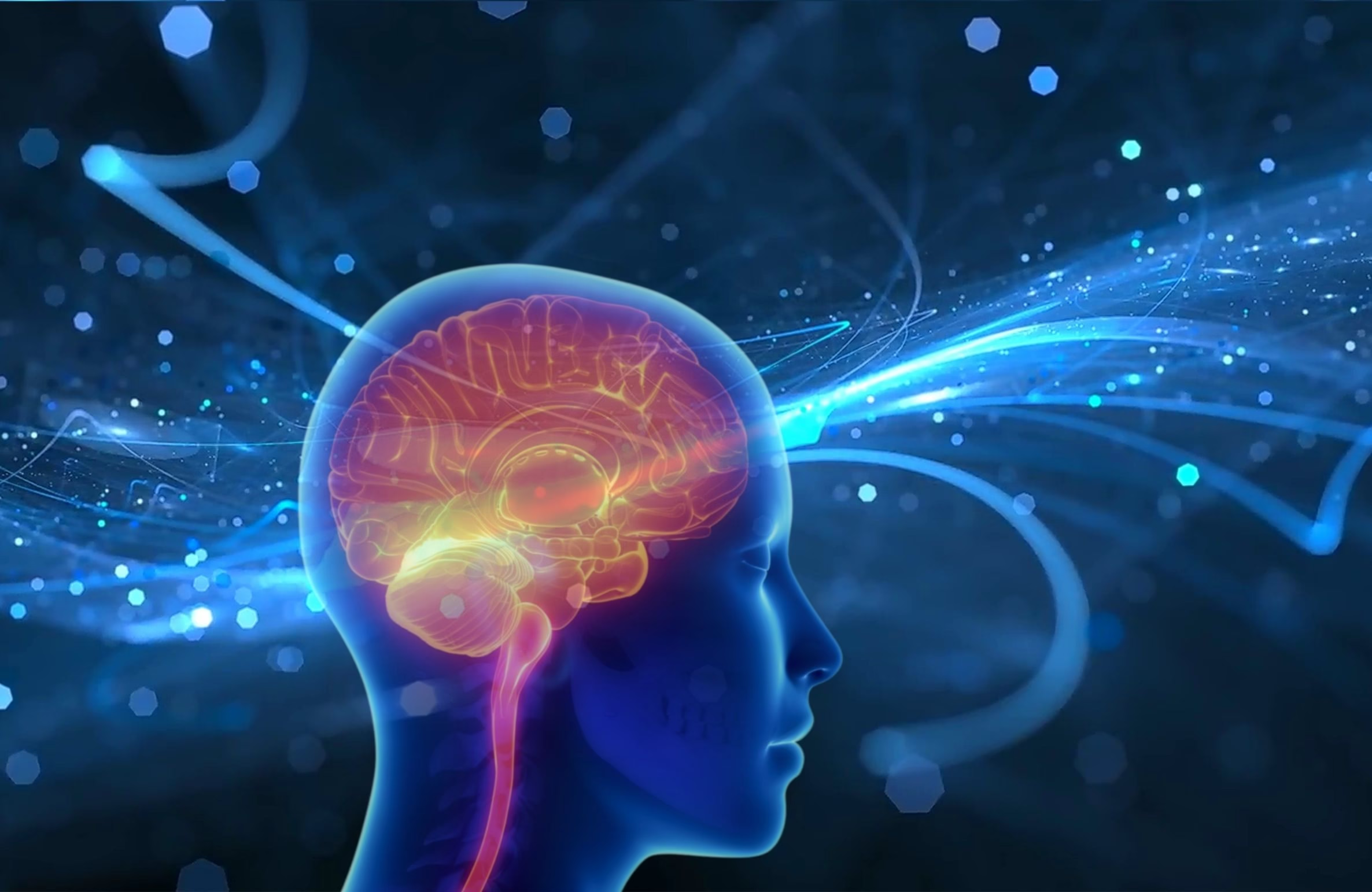
Changes in memory, behavior, or cognitive function should be evaluated thoroughly by a specialist.
You know exactly what you mean to say but just can’t seem to get the words out. Or maybe you’ve noticed a change in your speech that’s becoming noticeably slurred.
There can be many reasons for a change in speech, but difficulty with speech or comprehension of speech is a critical indicator of a potential crisis.
This can be associated with stroke and should be treated immediately. If the speech difficulties arise slowly or recur, a neurological assessment may help identify if there is an issue with your nerves or speech center.
Your vision may be the first clue that there is something wrong with your nervous system. Vision changes, double vision, or difficulty with vision sometimes occur in connection with neurologic disorders.
Vision changes that are accompanied by weakness, numbness, dizziness, lack of balance, or problems with speaking should cause alarm. Changes in vision that happen suddenly are one of the symptoms in the stroke guidelines.
In case of sudden vision changes, do not wait until the scheduled appointment with a neurologist, but see a physician right away.
Not all pain is muscular or joint-related. There are times when pain travels along the pathway of the nerve. Such pain could be:
Recurrent nerve pain, especially when combined with numbness, weakness, or other sensory alterations, may necessitate neurologic assessment. It is important to pinpoint the location of the source of the pain within the nervous system.
If you are still asking yourself “when should I see a neurologist?”, here is an easy answer: Consult a neurologist if you have:
You do not need to wait until a problem gets worse before consulting a physician. Sometimes, the most effective visit is the one you schedule right when you realize that something has changed.
This may be the most important aspect of this article. Some neurological symptoms require urgent treatment instead of a regular visit to a specialist.
Use the B.E.F.A.S.T. test in case of suspected stroke:
According to the American Stroke Association, you should act promptly in this case. There are other neurological emergencies, such as sudden severe headaches, a first seizure, long seizures, unconsciousness, or new neurological symptoms after a head injury.
In cases where the symptoms occur suddenly, time is critical. Don’t wait for a regular visit to the doctor.
Many people postpone visiting a neurologist due to uncertainty about what happens during the appointment. Most likely, your first appointment will begin with something basic: A chat.
Your doctor could ask you questions like the following:
After that, your neurologist can conduct a neurological examination, which may involve testing muscle strength, reflexes, sensation, coordination, balance, gait, vision, eyes movement, speech, and mental status.
Based on their findings, additional testing or imaging may be suggested to you. However, it is crucial to note that not everyone requires an MRI or any extensive testing.
The nervous system is complex. The same symptom can be caused by completely different reasons:
And that’s why sometimes an online search of symptoms will leave you more confused. Instead of asking the question: “What disease do I have?” Ask yourself: “What has changed, and should I check it out?”
At Jade Clinics, we appreciate the concern about neurological symptoms, which can be scary if they aren’t understood. Our strategy revolves around careful listening, knowing the whole picture, and developing a treatment plan tailored to the individual.
Currently, we have a specialist Neurology department at Kokapet, Hyderabad, where Dr. C Sruthi Reddy, who is a Consultant Neurologist, is listed as one of our specialists. The areas of her clinical expertise are movement disorders, epilepsy, stroke, and nerve-muscle disorders.
It’s not just about diagnosing the problem. It’s about making sure you understand:
Looking for a Neurologist in Kokapet?
If you are looking for a neurologist in or near Kokapet, Jade Clinics provides neurology consultations.
Consultation Hours: Monday to Saturday, 11:30 AM to 2:00 PM & 5:30 PM to 8:00 PM with Dr. C. Sruthi Reddy. (Please confirm appointment timings before visiting.)